-
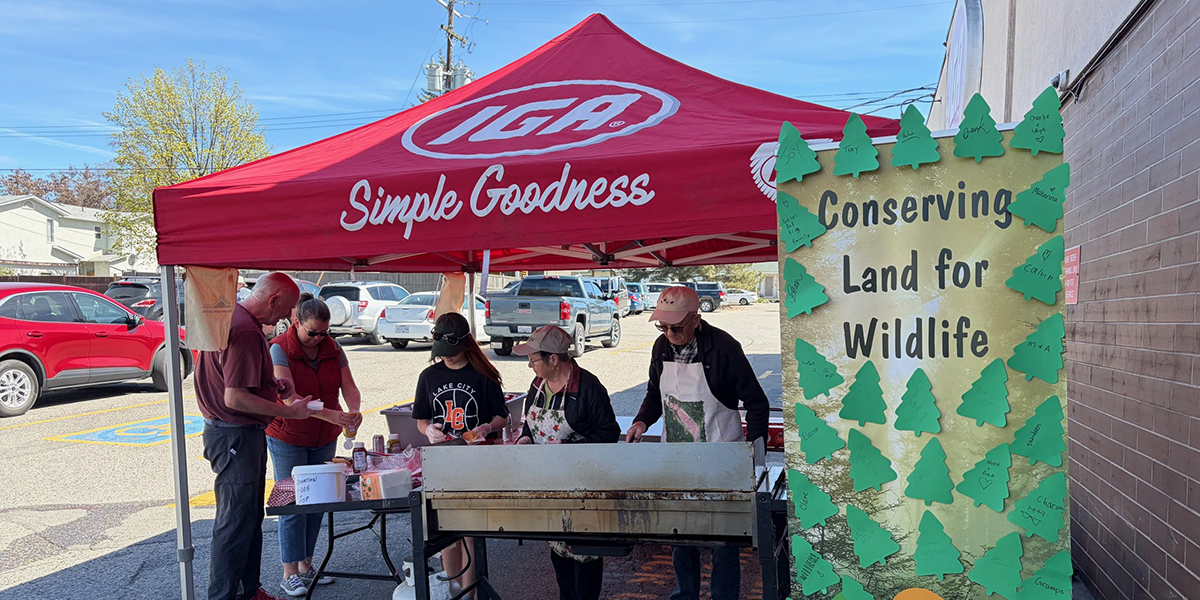
Hot Dogs Support SILT
Read more: Hot Dogs Support SILTThanks to the generosity of the Penticton IGA store, SILT was chosen as their ‘charity of the month’ and the store is receiving donations at the till all of the month of April toward our work in the community. On Sat., Apr. 18, the closest Saturday to Earth Day, Apr. 22, 2026, members of the…
-

Watershed Security Fund Grant Award
Read more: Watershed Security Fund Grant AwardPhase 3 of nʔaʕx̌ʷt Ginty’s Pond restoration work will get underway this year with the help of a $150,000 grant through the Watershed Security Fund kłaʕc̓xntm k̓łp̓əlk̓stm iʔ nʔaʕx̌ʷt – To look after and restore Ginty’s Pond. Read more about the announcement and project partners here.
-
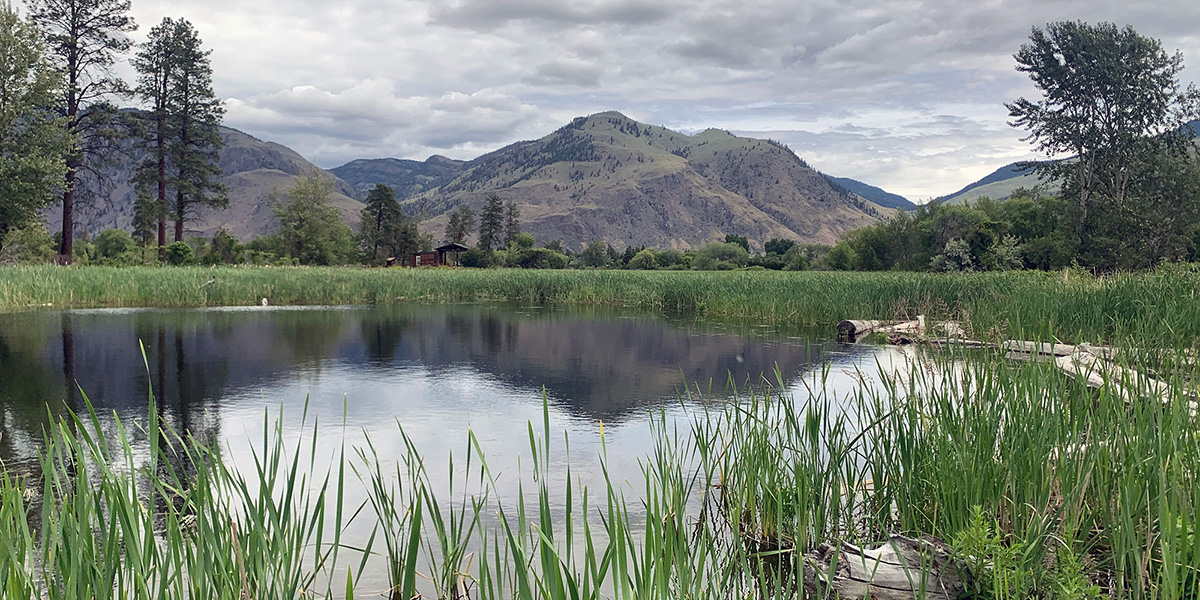
Ginty’s Pond Wetland Restoration
Read more: Ginty’s Pond Wetland RestorationRestoration of the nʔaʕx̌ʷt – Ginty’s Pond wetland at Cawston exceeds targets! Abundant wildlife, cultural use, and nature-related recreation have returned to SILT’s nʔaʕx̌ʷt – Ginty’s Pond wetland at Cawston in the Similkameen River watershed. Two of a planned three phases of restoration to return the aging wetland to more productive open-water habitat, and…
-
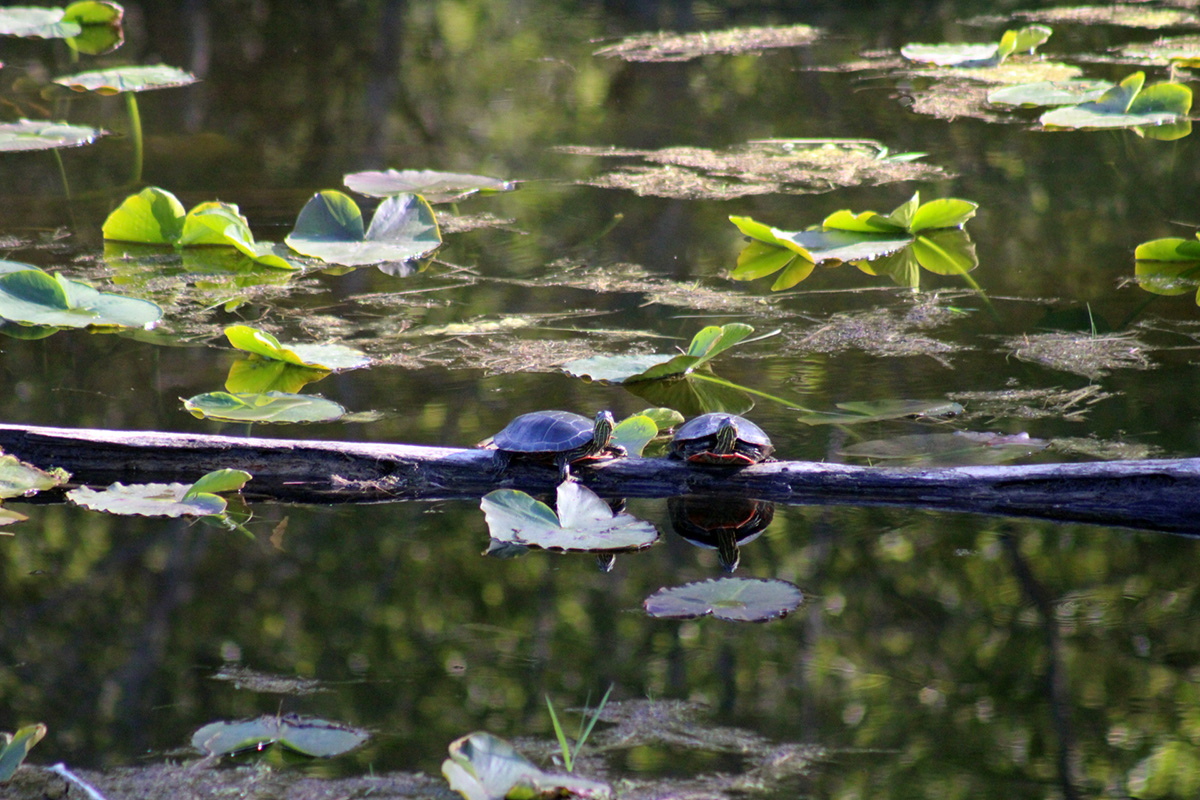
Edwards Pond – Painted Turtles
Read more: Edwards Pond – Painted TurtlesEdwards Pond has always held a special place in my heart; my mom would bring me to the pond almost every weekend during the late spring and summer months to observe the unique ecosystem full of flourishing wildlife, with our eyes keen on spotting the painted turtles (Chrysemys picta), peacefully soaking up the warm…
-
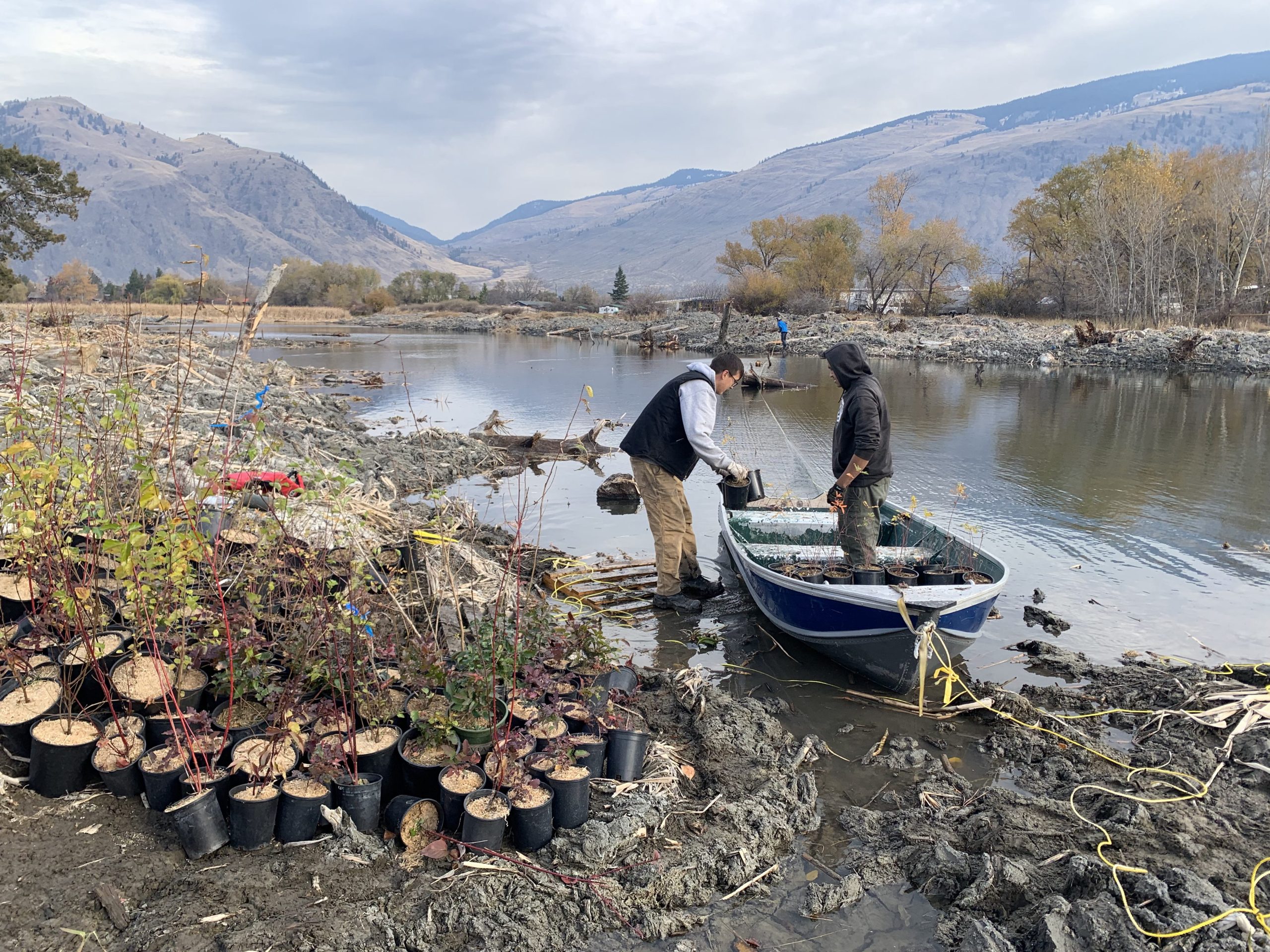
Ginty’s Restoration Phase 2 Completed
Read more: Ginty’s Restoration Phase 2 Completednʔaʕx̌ʷt – Ginty’s Wetland Restoration – Phase 2 Completed SILT and its partners have completed Phase 2 of the nʔaʕx̌ʷt – Ginty’s Pond wetland restoration project in Cawston. Phase 2 restores another one hectare of open water and adds 0.7 hectares of newly created riparian shrub thicket-woodland habitat to this previously cattail-dominated marsh. Substantial…
-

Similkameen-sylix weaving – nʔaʕx̌ʷt – Ginty’s Pond
Read more: Similkameen-sylix weaving – nʔaʕx̌ʷt – Ginty’s PondSimilkameen-sylix weaving: This video features Wendy Hawkes with her niece Sarain Squakin gathering cattail and bulrush at nʔaʕx̌ʷt – Ginty’s Pond for basket weaving. This video is from a webinar put together by the UBC Learning Circle, in the Centre for Excellence in Indigenous Health. Wendy shares history, knowledge, and important messages about harvesting…
-
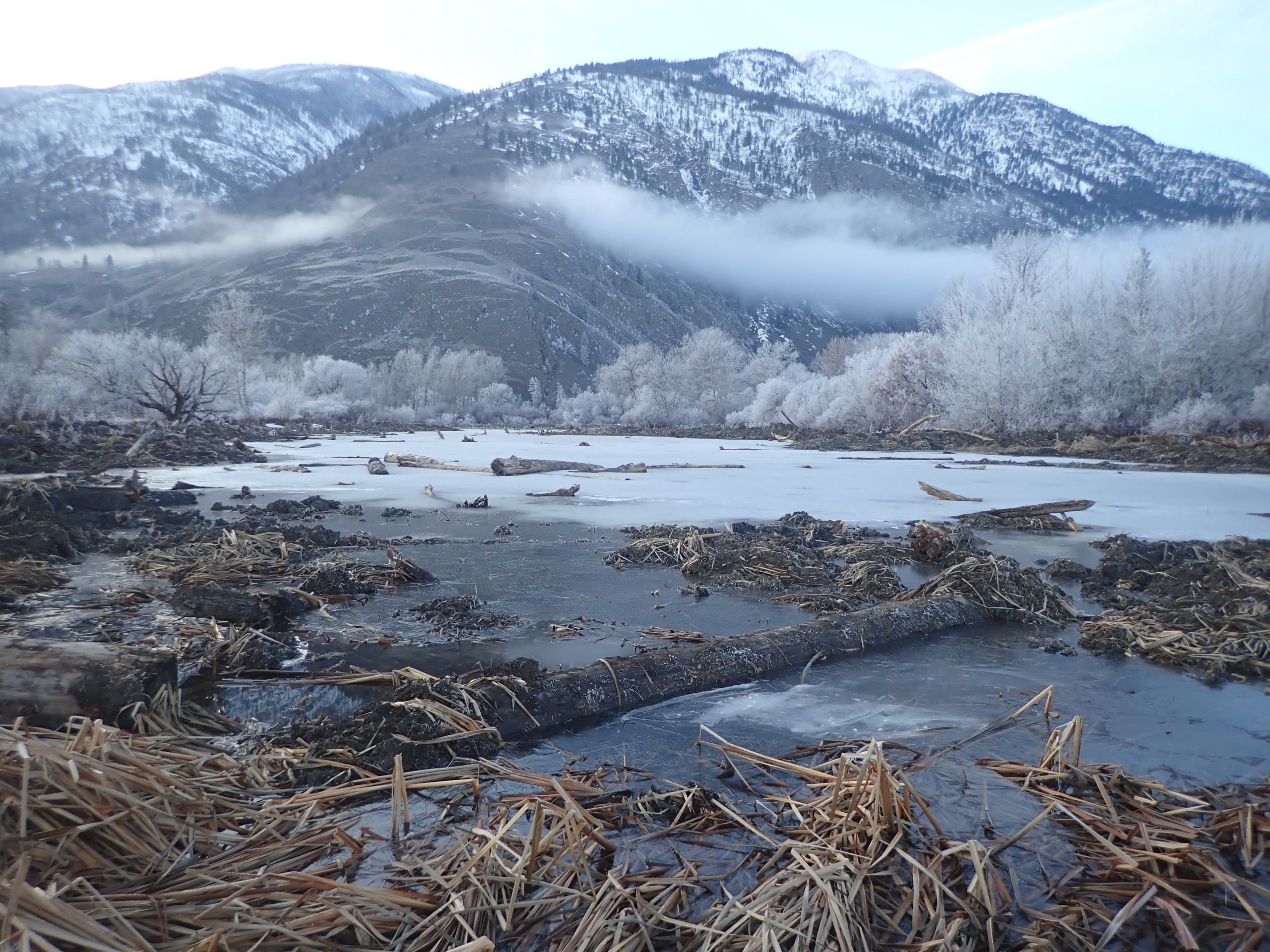
Waiting for Spring at Ginty’s Pond / Nʔaʕx̌ʷt
Read more: Waiting for Spring at Ginty’s Pond / Nʔaʕx̌ʷtWaiting for Spring at our Ginty’s Pond restoration area! This part of Ginty’s Pond, known as Nʔaʕx̌ʷt in the syilx language was restored in fall 2022 in collaboration with Lower Similkameen Indian Band, the BC Ministry of Water, Land and Resource Protection, the BC Wildlife Federation, our property neighbours, local businesses, and others. Our team deepened…
-

Restoring Ginty’s Pond
Read more: Restoring Ginty’s PondSILT’s Ginty’s Pond wetland at Cawston BC is receiving some great collaborative management attention! Thank you to the dedicated team working to maintain this amazing natural space as productive habitat for wildlife and people! For the complete story see the BCWF Blog COMMUNITY COLLABORATION FOR RESTORING GINTY’S POND
-
Ginty’s Pond Gets New Sign
Read more: Ginty’s Pond Gets New SignVolunteer President Ross Everatt has installed a replacement sign at SILT’s Ginty’s Pond at Cawston. The pond is valuable habitat for waterfowl, songbirds, painted turtle and other wildlife. The pond has also been a community gathering place, such as for ice-skating parties in winter. Ginty Cawston was a son of a local pioneer and…