

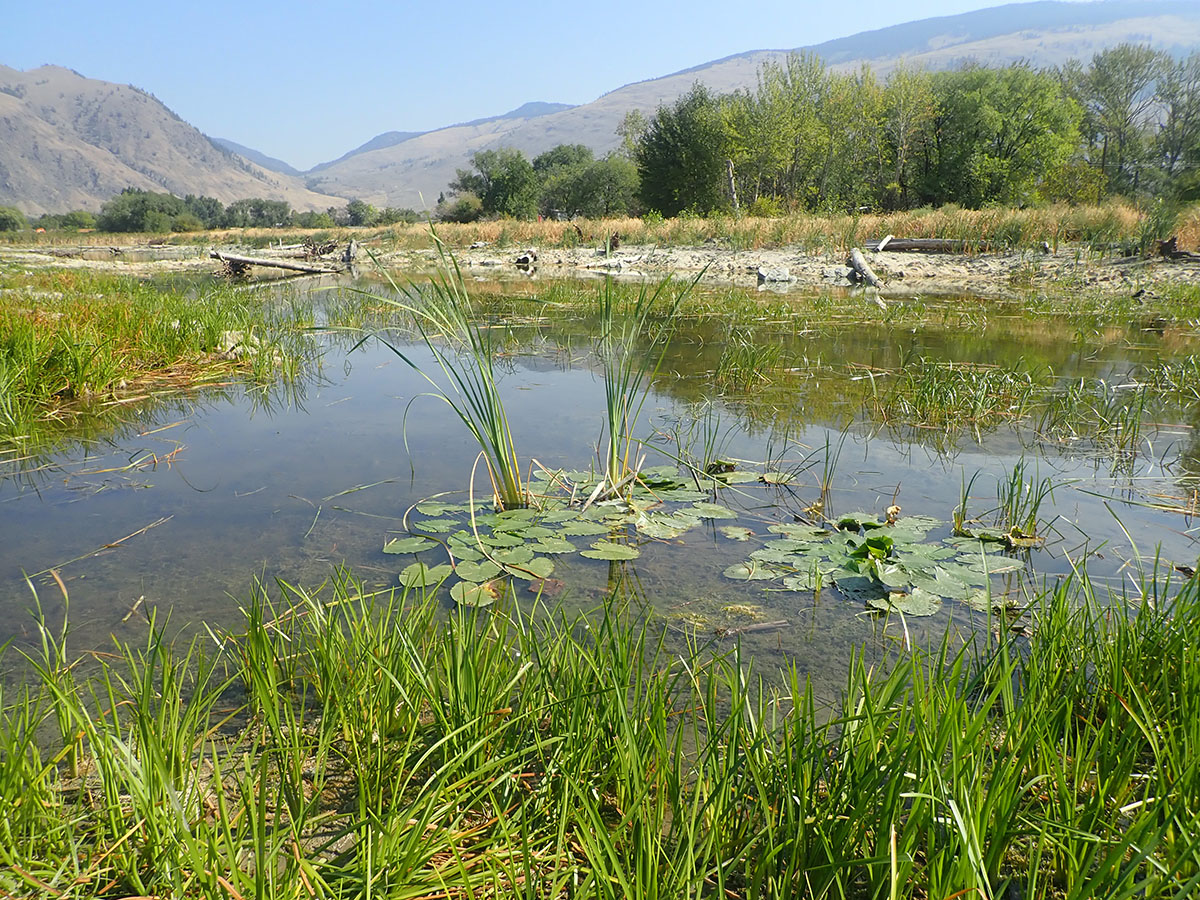
nʔaʕx̌ʷt – Ginty’s Pond Wetland Restoration
Restoration of the nʔaʕx̌ʷt – Ginty’s Pond wetland at Cawston exceeds targets!
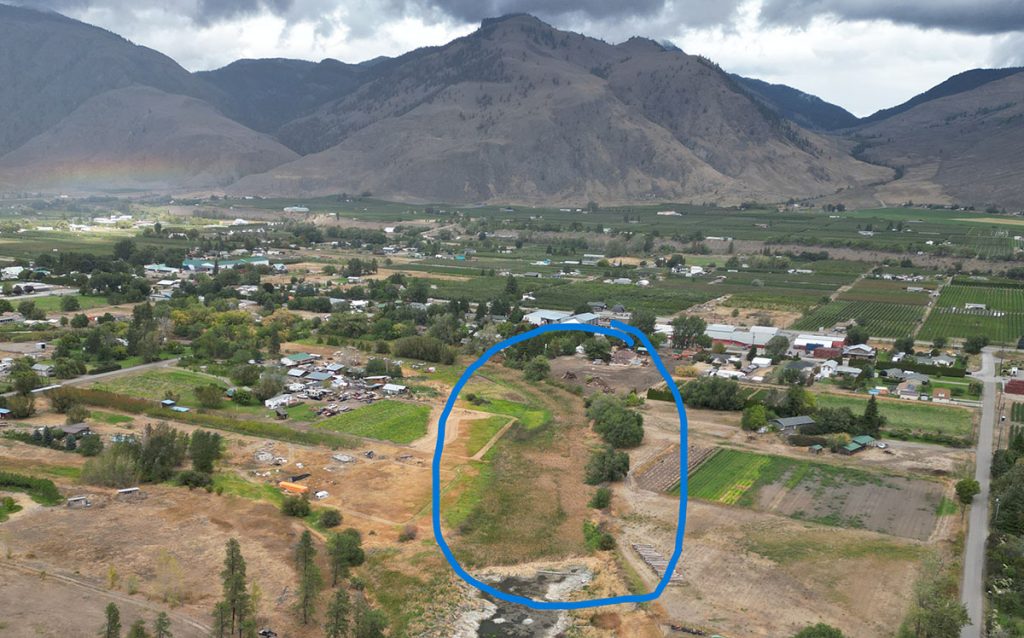
Abundant wildlife, cultural use, and nature-related recreation have returned to SILT’s nʔaʕx̌ʷt – Ginty’s Pond wetland at Cawston in the Similkameen River watershed. Two of a planned three phases of restoration to return the aging wetland to more productive open-water habitat, and to create new species-at-risk habitats, are complete.
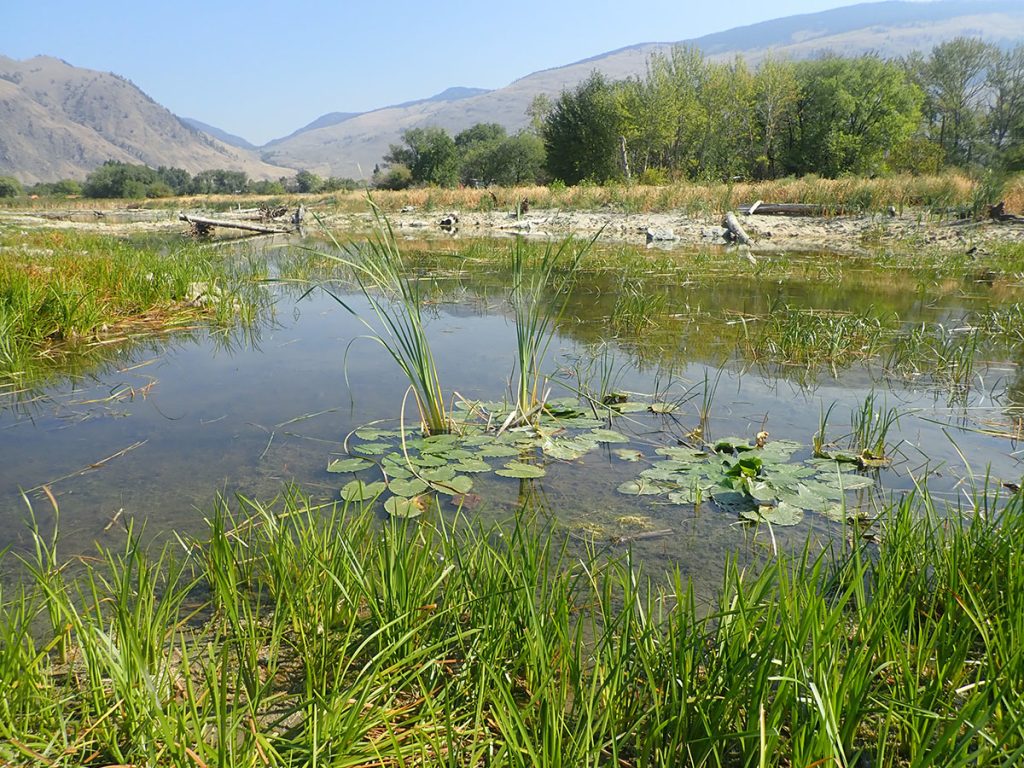
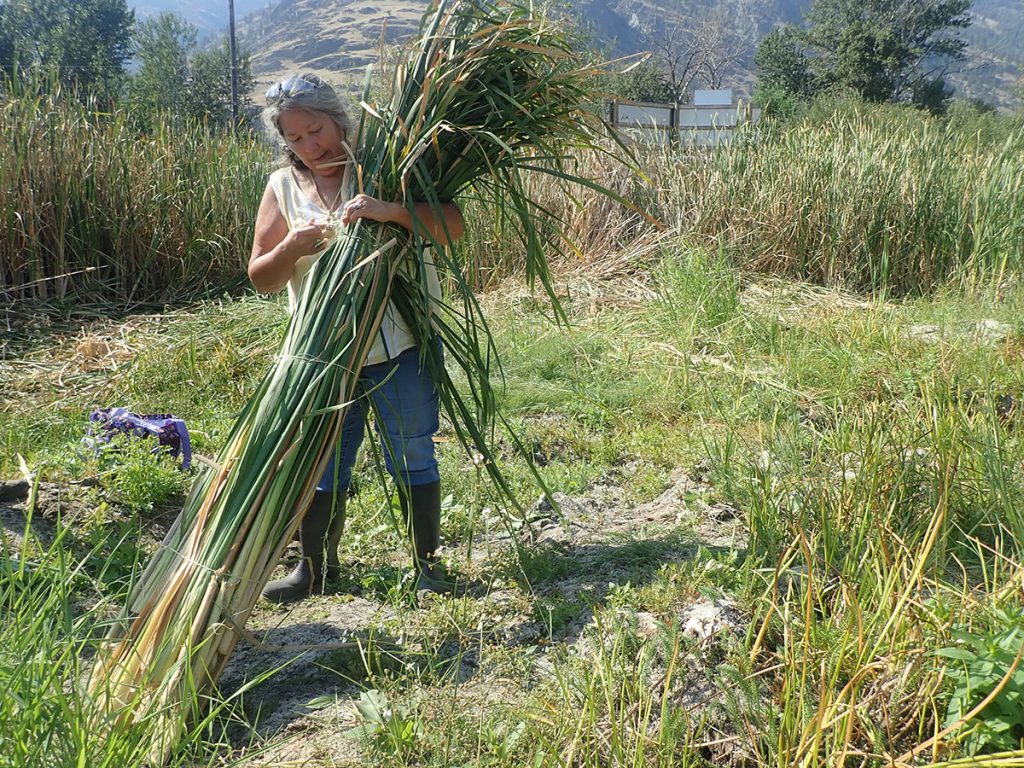
Planning and fund-raising for a final Phase 3 recovery effort next year are underway. Stewardship activities in 2025 included monitoring of wildlife use and planted trees and shrubs, planting more ‘emergent’ aquatic plants—those that grow along the water’s edge, cattail mowing to prevent future encroachment, and building and maintain relationships with pond neighbours and community volunteers.
Securing the confidence and support of donors, grantors, project partners, and neighbours is key to sustaining SILT and nʔaʕx̌ʷt – Ginty’s Pond forever. Project partners include the Lower Similkameen Indian Band, the BC Wildlife Federation, and the BC Ministry of Water, Land, and Resource Stewardship. Key funding for Phases 1 and 2 included the Healthy Watersheds Initiative, BC’s Together for Wildlife Fund, Canada’s Natural Heritage Conservation Program, the Habitat Conservation Trust Foundation, Nature Trust of BC, and Wildlife Habitat Canada.
Without further financial support, the final Phase 3 restoration is at risk! Please help us reach our goal of raising the $168,000 project cost. To contribute, contact apeatt@siltrust.ca or visit www.siltrust.ca/donate. You’ll be making a lasting contribution to nature, community, and the long-term health of the Similkameen River watershed.
And, if you own property near Cawston, you can help further by encouraging Area B of the regional district to participate in the South Okanagan Conservation Fund, which helps support ecological services like wetlands and wildlife, that benefit your local community.




Vehicles & Dumping are Damaging Habitat
Despite a vehicle closure now in its 5th year, people continue to disregard SILT’s private land ownership of its Grand Forks Grasslands conservation property.
People are welcome to walk on SILT’s land to enjoy nature and wildlife-related recreation, but vehicles, dogs, fires, litter, livestock, and camping are all prohibited. “SILT purchased this land to protect and produce wildlife”, says SILT’s executive director and biologist, Al Peatt. “We will be ramping up controls to prevent further habitat damage by trespassers.”
Users are asked to obey signage and respect this sensitive grassland. The Morrissey Creek public road ends before the yellow gate, and all vehicle operators are asked to park there or turn around. The land beyond the yellow gate is private; there are no public trails or roads beyond the gate.
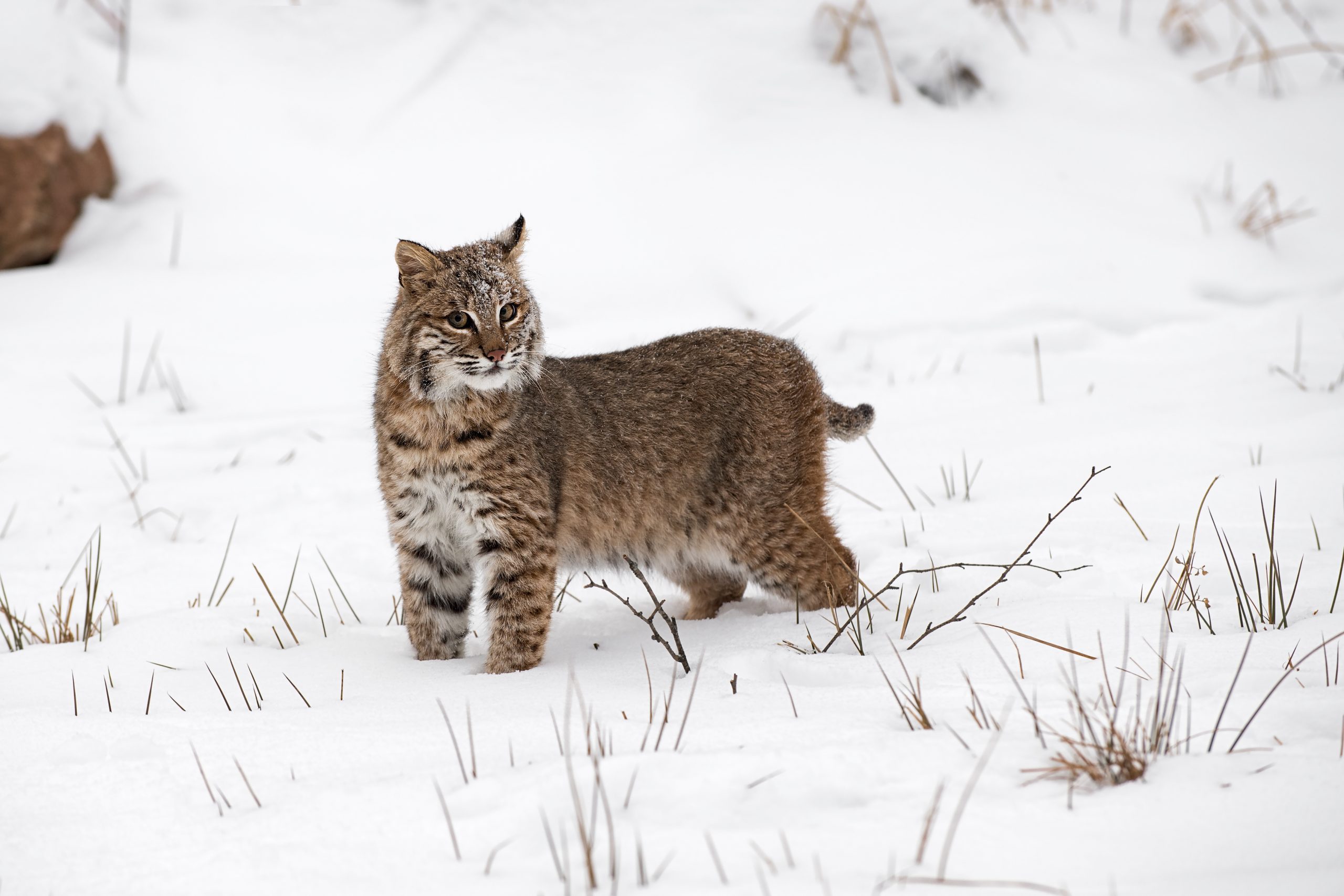
SILT-tagged bobcat makes an appearance!
This ear-tagged and radio-collared male bobcat appeared this week at a Heritage Hills residence south of Penticton. It is not the first time one of SILT’s research cats has spent time in this yard, which is in the heart of great bobcat habitat! SILT is facilitating a Phd study by Trent University looking at how bobcat and lynx interact and use their respective habitats. SILT is interested in where these cats move through the landscape as that information could help guide future habitat management and acquisition.
This cat’s collar was set to drop off last summer so the GPS movement data it contains could be recovered but for some reason the collar has failed to come off. SILT volunteers will continue to try to live capture the cat to remove the collar. If you see it, or any other ear-tagged bobcat or lynx, please call Ross Everatt at 250-499-9840. You can also help by supporting SILT’s work -follow the links on this page to make a tax-deductible donation!

DL 492 to be conserved forever!

SILT has purchased 109 hectares (270 acres) of open, rolling hills of bunchgrass interspersed with patches of trembling aspen-rose thickets located just east of Grand Forks. The property, known locally as DL 492, is year-round habitat for a herd of 200-300 California bighorn sheep. Rams and ewes of all ages use the land. It is also excellent winter and spring range for mule deer and white-tailed deer. Several species-at-risk occur, including rattlesnake, gophersnake, spadefoot toad, tiger salamander and badger.
This low-elevation grassland is significant for more reasons than its great diversity of wildlife. DL 492 lies within an ecosystem that extends only a short way into British Columbia from Washington State, forming a narrow band from Anarchist Summit east along the Kettle River to the Grand Forks basin.
Buying DL 492 for conservation was made possible by the family of the late Walter Mehmal; the BC Conservation Foundation Land for Wildlife Fund; the Brandow Family; the Wild Sheep Society of BC and its members; the Grand Forks Wildlife Association; and other donors and SILT supporters. If you believe the most rewarding investment for the future of wildlife is habitat acquisition and care, please donate to support SILT’s conservation work.
DL 492 has had a decades-long history of cattle grazing and uncontrolled trespass for off-road ATV use. This has caused some hillslope erosion and soil disturbance. To manage DL 492 for wildlife, SILT will work with its conservation partners, government, and local off-road and other interested groups to promote awareness, exclude cattle, restrict ATV use, and enhance the habitat value of the property.
SILT encourages non-mechanized public use of its lands for wildlife-related recreation and nature appreciation. We believe this rewards and engages people that support and benefit from habitat conservation, provided such use is safe, legal and protects the integrity of the land. SILT will conserve DL 492 in perpetuity, for all living things including people, and will never stray from that responsibility.

Substantial donations to SILT were provided by these and other donors
- 1
- 2