

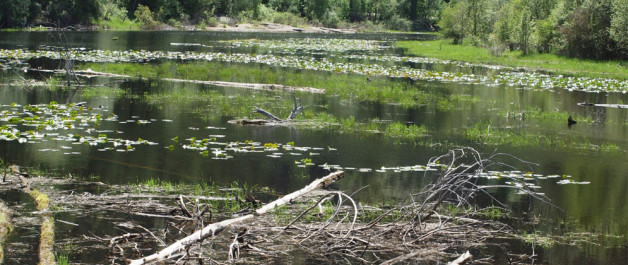
Resolution of Edward’s Pond Tree Litigation
Resolution of Edward’s Pond Tree Litigation
The Southern Interior Land Trust has resolved the litigation it commenced concerning the removal of a dead wildlife tree on its Edward’s Pond Property, on terms it deems satisfactory, which settlement terms are otherwise confidential.

Vehicles & Dumping are Damaging Habitat
Despite a vehicle closure now in its 5th year, people continue to disregard SILT’s private land ownership of its Grand Forks Grasslands conservation property.
People are welcome to walk on SILT’s land to enjoy nature and wildlife-related recreation, but vehicles, dogs, fires, litter, livestock, and camping are all prohibited. “SILT purchased this land to protect and produce wildlife”, says SILT’s executive director and biologist, Al Peatt. “We will be ramping up controls to prevent further habitat damage by trespassers.”
Users are asked to obey signage and respect this sensitive grassland. The Morrissey Creek public road ends before the yellow gate, and all vehicle operators are asked to park there or turn around. The land beyond the yellow gate is private; there are no public trails or roads beyond the gate.
Edwards Pond – Painted Turtles

Edwards Pond has always held a special place in my heart; my mom would bring me to the pond almost every weekend during the late spring and summer months to observe the unique ecosystem full of flourishing wildlife, with our eyes keen on spotting the painted turtles (Chrysemys picta), peacefully soaking up the warm sun on their favourite logs. More often than not, we would come across many turtles stuck between the tracks of the railway that runs right through the riparian area, and some weren’t that lucky due to factors such as train strikes, ease of capture for predators, and dehydration. It was so disheartening to come across the ones that didn’t make it, and to make the situation of their vulnerable status worse, the Intermountain-Rocky Mountain population is a species-at-risk, federally listed as ‘Special Concern’.
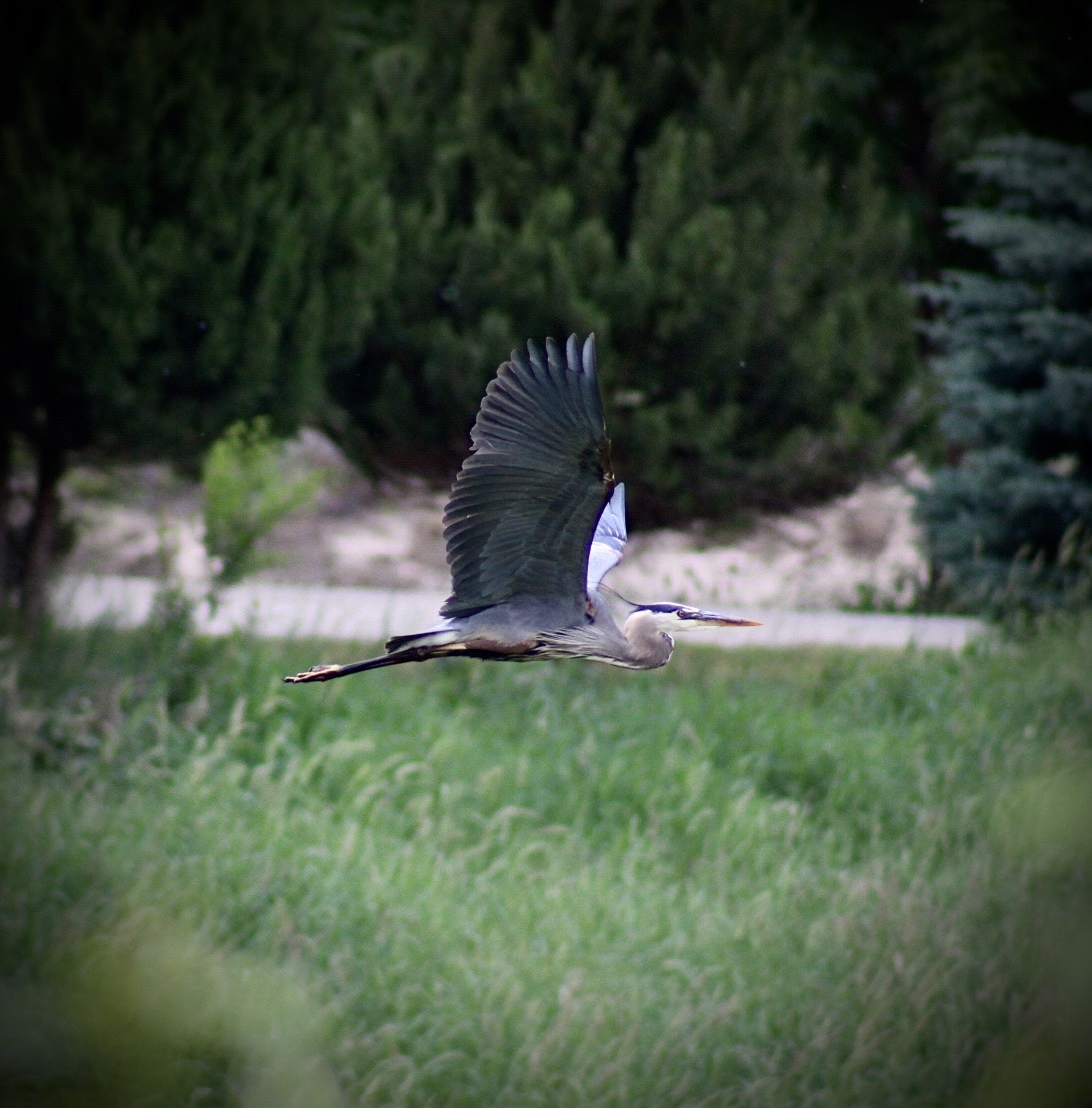
During my time at Selkirk College, I intensively researched Edwards Pond and explored the possibilities of habitat restoration and the protection of the painted turtles for my graduating project. With the help of SILT’s Executive Director, professional biologist Al Peatt, I was able to form a restoration plan from my findings at the site. Edwards Pond is a 50-acre property that was purchased by SILT in 1991. This beautiful wetland was once an oxbow of the Kettle River, and is home to cottonwood forests, blue heron, black bears, white-tailed deer, and Columbia-spotted frog. The conservation of this area is critical because it is one of the last shelters in the valley for painted turtles to breed and hibernate safely.
Unfortunately, the property has been riddled with invasive species of plants and animals; spotted knapweed is a notoriously stubborn weed, and was found to be a major problem for painted turtle nests, as the roots ultimately suffocate the delicate eggs within the gravel. Other than spotted knapweed, brown bullhead have invaded the pond during freshet season, and are an apex predator that, when given the opportunity, will prey on hatchlings. Sightings of brown bullhead were confirmed during my observations, as a blue heron was hunting them in the shallows in November of 2023. In addition to invasive species, native species such as the American river otter and striped skunk frequently dig up turtle eggs, given that their nesting sites are typically along the gravel shoulders of Gilpin Road or the railroad tracks. The final blow to painted turtles, and all life on Earth, is the inevitable looming of climate change.
As summers in Grand Forks get hotter, the frequency of droughts arise and has been directly impacting Edwards Pond. Without a reliable water source, the pond has been drying up, leaving the river as the turtle’s only option with the habitat being not as suitable as the wetland. But not all is lost, there are a few viable solutions that could potentially stabilize their population.
Invasive weed removal is the easiest way to manage and protect nesting habitat. The safest method of removal for the ecosystem is manual removal by uprooting the plants in the spring before they go to seed. Considering overall habitat, it may be useful to consider constructing another inflow into the pond from the river that stays consistent throughout the summer, so the pond doesn’t dry up. Creating a stable and suitable habitat for all wildlife, not just turtles, will bring more fish-eating birds such as blue herons, osprey and bald eagles, which can help manage the brown bullhead population. Bullheads are an aquatic apex predator, and can survive without a sufficient amount of water or oxygen for a long period of time, making them incredibly resilient to droughts, and what would be beneficial is having native predators thriving in their natural habitat making it more likely that they’ll prey on these fish in a healthy ecosystem.
Finally, the most difficult management plan would be putting safe turtle crossings between the railroad ties so turtles can escape which would prevent more deaths in this vulnerable population. This is a hard task because an assessment needs to be done by the engineers of OmniTrax, and then it has to be approved by the company. In Japan, railway turtle crossings have been extremely beneficial for the turtle populations, saving thousands of individuals from being struck by trains.
The future of Edwards Pond relies on a community commitment to the conservation of the property through stewardship and education. SILT has done an incredible job of protecting the area from degradation and further damages, and I have much hope for our beloved painted turtles.


Grassland Mgmt Plan Released
SILT has completed and released its management plan for the Grand Forks Grasslands. You can read the full report here or visit the property pages for more specific information on each parcel.