


Vehicles & Dumping are Damaging Habitat
Despite a vehicle closure now in its 5th year, people continue to disregard SILT’s private land ownership of its Grand Forks Grasslands conservation property.
People are welcome to walk on SILT’s land to enjoy nature and wildlife-related recreation, but vehicles, dogs, fires, litter, livestock, and camping are all prohibited. “SILT purchased this land to protect and produce wildlife”, says SILT’s executive director and biologist, Al Peatt. “We will be ramping up controls to prevent further habitat damage by trespassers.”
Users are asked to obey signage and respect this sensitive grassland. The Morrissey Creek public road ends before the yellow gate, and all vehicle operators are asked to park there or turn around. The land beyond the yellow gate is private; there are no public trails or roads beyond the gate.

Supporting Land Conservation
There are many ways you can support land conservation
Land trusts always seem to be in fund-raising mode to purchase properties that have special features essential to wildlife, but acquiring the property is only the first step.
Once a property is acquired, it needs to be managed and sometimes restored to maintain the ecological values for which it was protected. That includes putting up fences to keep cattle out, installing signs and gates to guide public use, or replanting native species to support wildlife. These kinds of maintenance and restoration efforts all come at a cost.
The Southern Interior Land Trust (SILT) was formed in 1988 to purchase land for wildlife in the southern interior of BC. SILT is run by a volunteer board of directors and a part-time contracted executive-director, operating with minimal resources. SILT stewards seven conservation properties without any regular government funding and no endowment to support its daily operations.
Ironically, SILT’s responsibility to steward its lands sometimes extends to defending their natural features from the public—which, after all, is the ultimate beneficiary of the land conserved. Beyond management, SILT also takes its responsibility seriously to defend the sanctity of natural features essential to wildlife on the lands we conserve, notes President Judie Steeves.
Conservation lands are often secured with public donations and SILT has a responsibility to protect the habitat values for which the lands were acquired, including large standing dead or dying trees, known as wildlife trees, and other valuable features such as wet areas and winter range, bunchgrass meadows, fresh water, wetlands, craggy outcroppings, and tree cover, or south-facing slopes that green up early in spring.
“The public is welcome to enjoy nature on our conservation lands with common-sense restrictions such as no motorized vehicle use, which causes damage to the ecosystem,” she explains.
“Stewardship of conservation lands can be expensive, but we are diligent about ensuring habitat values on our properties are conserved, and the public can be assured we will continue our commitment to safeguard those values forever,” states executive-director Al Peatt. “To be effective, land trusts across Canada need an improved mechanism to better fund defence of their conservation properties.”
Conserving biodiversity is a responsibility we all share, he believes.
Earlier this year, SILT became one of the first land trusts in Canada to receive Conservation Excellence Certification from the national Centre for Land Conservation. The achievement demonstrates SILT’s commitment to best practices for conserving land, notes Steeves.
Supporting SILT ensures these conservation standards continue across our properties.
How you can help
SILT relies on community donations to support the work it does to conserve habitat for wildlife. One way you can help is to become a property steward. Simply visit https://siltrust.ca/become-a-property-steward, select a zone on the map to become a steward of that piece of property; and make a donation. Your sponsorship will help support that property for 12 months from the date of your gift.
You’ll receive a stewardship certificate and a tax receipt. It’s a meaningful gift for someone who loves the outdoors, or in memoriam for a lost loved one. All donors are featured on our online donor wall in recognition of their commitment. Every contribution ensures these lands are cared for, helping SILT protect wildlife habitat now and for generations to come.
You can also choose to donate your time or property to help SILT conserve land and wildlife in your community. Email office@siltrust.ca for more information.
Media Contact:
Al Peatt, Executive Director
Southern Interior Land Trust
apeatt@siltrust.ca
(250) 328-4699
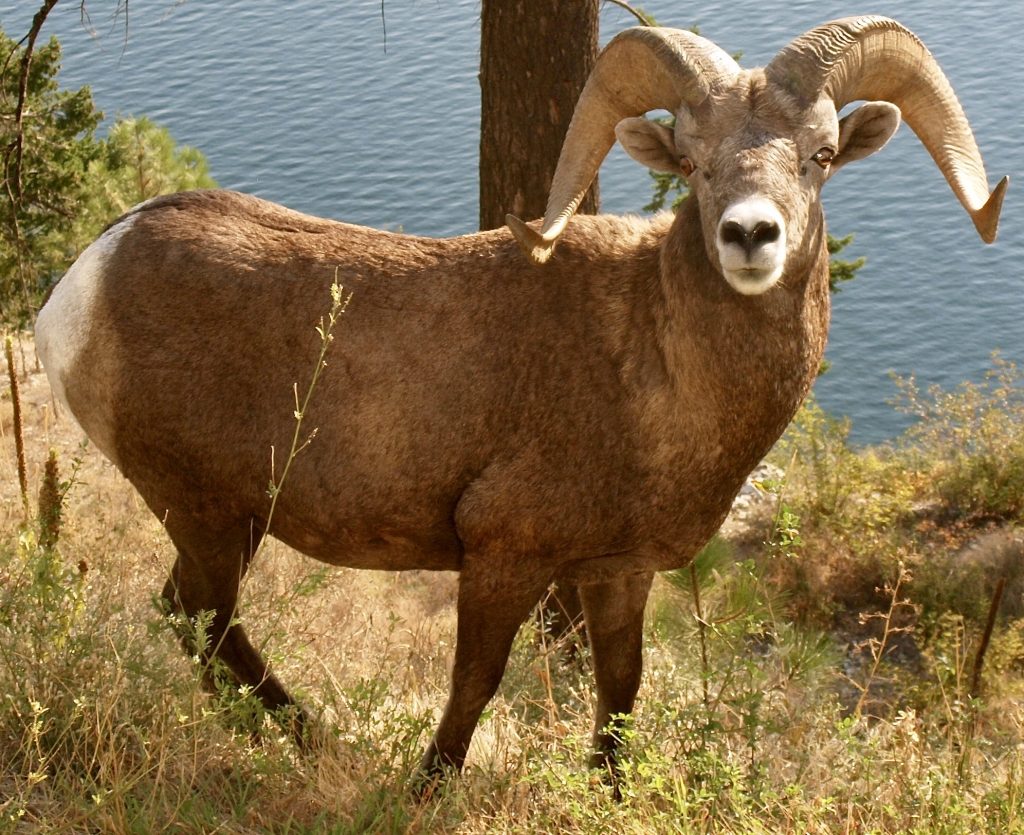
California bighorn sheep, like this ram, are among the many beneficiaries of some of SILT’s conservation lands, enjoying the protected habitat with their families.

SILT Achieves Conservation Excellence Certification!
By: Gordon Wilson
Comments: 0
SILT Achieves Conservation Excellence Certification!
The Southern Interior Land Trust is one of the first in Canada to receive Conservation Excellence Certification from the national Centre for Land Conservation.
This recognition for conservation leadership was announced today by the CLC, which noted this marks a significant milestone in the evolution of Canada’s land conservation sector.
At this point, SILT is the only land trust in Western Canada to be certified, in company with four in Ontario and one in New Brunswick.
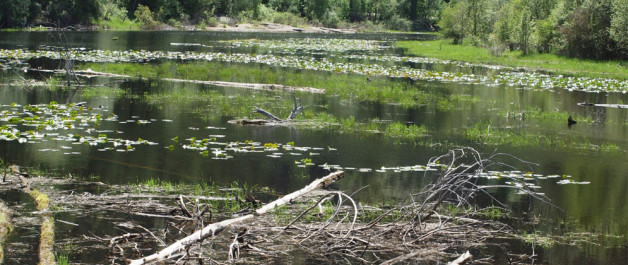
Civil Lawsuit Filed in Penticton Law Courts – Edwards Pond Land Damage
SILT has filed a civil lawsuit in the Penticton Law Courts for a motorized vehicle trespass and the destruction of a wildlife tree on SILT’s Edwards Pond conservation property near Grand Forks.
Read the full story on Castanet:
Land trusts are not in the business of confrontation, but they have a responsibility to protect lands which the public have donated funds to purchase for conservation of wildlife habitat.
Protecting habitat for conservation is a public promise that extends well beyond the simple purchase of the land. SILT commits to defending biodiversity forever but needs your help to safeguard the properties and their values for all time. Conserving biodiversity is not a liability, it is a responsibility we all share. Your donations will help SILT to better protect the lands we hold, and to purchase more lands so we may all enjoy wildlife, and all living things, forever.