


Learn to protect your lake
Trained crews from the Southern Interior Land Trust will be conducting shoreline assessments on Tuc-el-nuit Lake in June as part of the ongoing Love Your Lake program, aiming to help lakeside property owners learn how to protect water health and quality.
Read the full story on Castanet

SILT Supports Conservation of Sickle Point on Skaha Lake
Sickle Point, south of Penticton on Skaha Lake, must be conserved for its value as wildlife habitat. It has the highest conservation ranking (Class 1) by the Southern Okanagan Similkameen Biodiversity Conservation Strategy (Keeping Nature in Our Future).
Sickle Point’s water birch and wild rose communities support endangered wildlife such as the Yellow-breasted Chat, Lewis’s Woodpecker, Western Rattlesnake and Pallid Bat. Sickle Point is part of the seasonal path for resident and migrant wildlife, including the American White Pelican and Sandhill Crane.
The Southern Interior Land Trust supports the Save Sickle Point Committee in its effort to raise funds for the purchase of this valuable conservation property. Read more about Sickle Point and how you can help by visiting the Save Sickle Point Website.
Photo Credit: David Mai

Restoring Ginty’s Pond
SILT’s Ginty’s Pond wetland at Cawston BC is receiving some great collaborative management attention! Thank you to the dedicated team working to maintain this amazing natural space as productive habitat for wildlife and people!
For the complete story see the BCWF Blog
COMMUNITY COLLABORATION FOR RESTORING GINTY’S POND
SILT Builds Artificial Snake Den
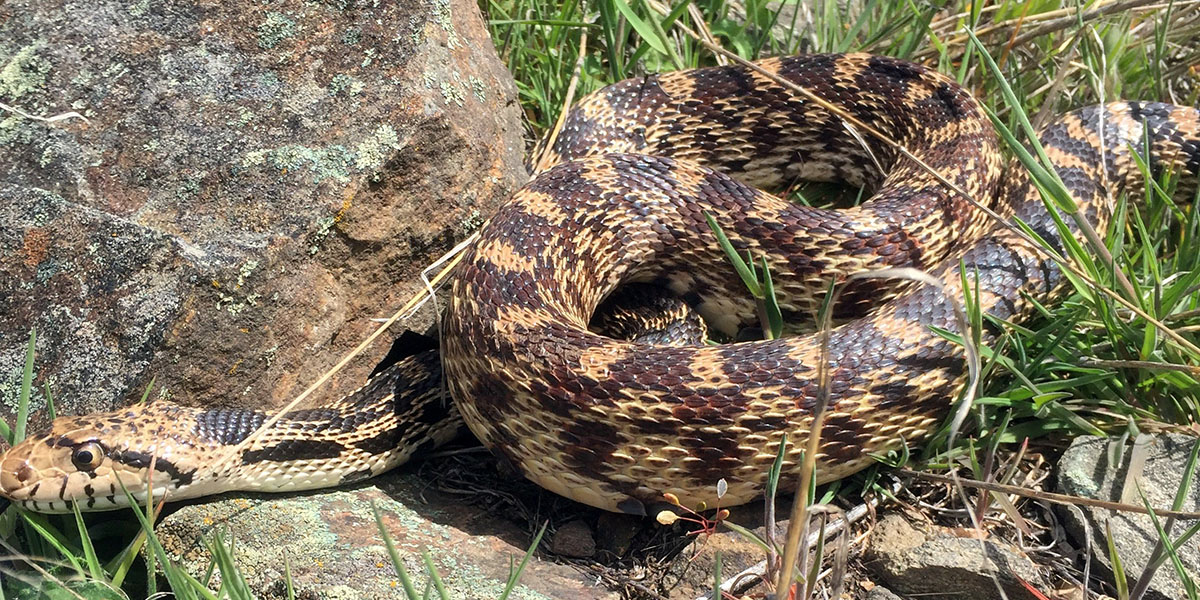
The aim of this project was to remove and clean up debris piles at the entrance of SILT’s Taylor property, the debris consisted of concrete scraps and abandoned water main fittings encased in concrete. As the existing material held some wildlife habitat quality, it provided an opportunity for a habitat enhancement project to support species at risk.
This project included building an overwintering den habitat for snakes, the targeted species include: Northern Rubber Boa and Gartersnakes, as well as other reptiles that reside in the area. This project was scheduled in late fall to avoid potential harm to reptiles and nesting birds.
A big thanks to SILT’s executive director and biologist Al Peatt and his assistant biologist Lindsay Lalach for a terrific effort in planning and executing this project and also to the SILT board volunteers for coming out to help with the work.